Hull-based bridge works specialist Spencer Bridge Engineering (SBE) has completed the welding phase of the Kessock Bridge Tower Rescue project, marking a major milestone in delivering enhanced safety infrastructure for one of Scotland’s most recognisable crossings.
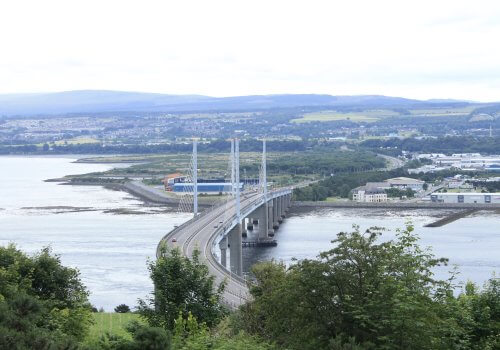
Appointed by BEAR Scotland on behalf of Transport Scotland (TS), SBE is delivering operational safety improvements, strengthening and remedial works within all four 45-metre-high pylons of the 1.05km-long Kessock Bridge, which connects North Kessock with Inverness.
The welding phase provides the permanent structural strengthening required to enable installation of a mechanically powered limpet rescue and climb assist system. The system will allow straight-drop rescue via newly installed hinged GRP deck hatches and will replace the existing staggered ladder access, significantly improving the speed, reliability and safety of emergency operations within the pylons.
Welding began in January 2025 and involved the installation of 25mm steel plates to the inner perimeter of each pylon, connecting vertical tees and diaphragms and adding steel angle sections.
All welding was carried out within the confined pylons, presenting technical and safety challenges. SBE installed specialist ventilation measures including forced-air extraction using temporary roof fans, allowing two welders to work one above another safely.
The phase comprised of 960 welded components, with a combined weld length of 2.9 kilometres and approximately 10 tonnes of steel installed. Each weld was inspected using magnetic particle inspection to ensure long-term structural integrity in line with highways design standards.
With welding and strengthening complete, the project has now progressed into Phase Two, mechanical installation. Rope access technicians will install GRP grated decks and supporting steelwork, deck hatches and secondary welded features, and will also fit components of the limpet rescue system, including the vertical return rail from levels 1 to 13.5. This provides direct access to all pylon work locations, enabling precise installation, coating and NDT inspection by SBE’s subcontracted rope access team.
Phase Three, starting in spring 2026, will involve external painting of levels 1 to 6 using rope access, repairing coatings affected by internal welding. Completion and handover of the fully commissioned pylon rescue system is planned for summer 2026.
Steven Bunting, Scheme Project Director at Spencer Bridge Engineering, said:
“The project has gone from strength to strength as our works have progressed, we’ve responded to safety, quality and productivity challenges that emerged during the delivery of this complex project. The biggest challenge is the environment – it is a confined space involving significant hot works and exceptionally difficult access – we needed to ensure safety for our teams, above all else. We managed this by working closely with BEAR Scotland, Jacobs and TS to ensure the risks were mitigated and our methods of working were safe and effective to deliver the project on programme.”
James Duthie, Scheme Manager at BEAR Scotland, said:
“The site project team have hit this key milestone in a particularly challenging working environment. Weld operations were completed to a high level of quality to agreed procedures and acceptance criteria. Due to the collaborative approach to problem solving and planning within the project team, all operations have been implemented safely, efficiently and with minimal impact on bridge users. This scheme will ensure the strengthening of the bridges towers meets future load capacity requirements along with improved access and egress for inspection and maintenance operatives. BEAR and Transport Scotland are pleased with SBE’s progress on site and look forward to delivery of the final phases on site within programme.”